
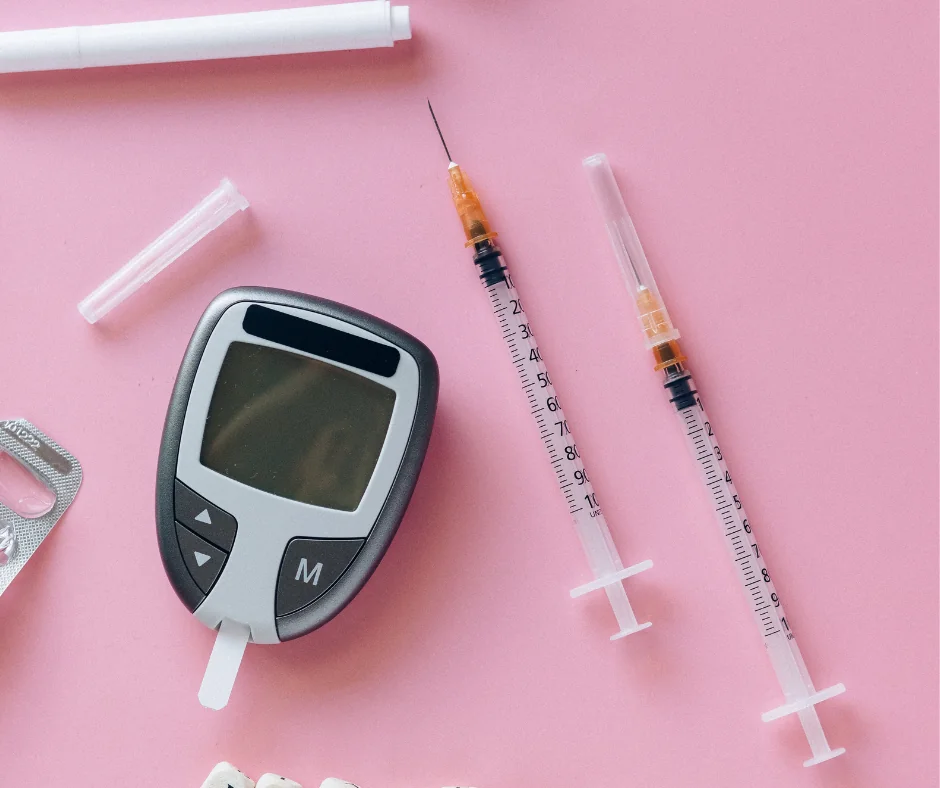
Living with diabetes requires careful management, and modern medical devices play a pivotal role in maintaining health and quality of life. For individuals in Tunisia, understanding and accessing these tools is key to effective diabetes care. This guide explores essential medical devices for diabetes, integrating local context and practical advice to help you navigate your health journey.
What is Diabetes and Why is Device Management Crucial?
Diabetes is a chronic condition characterized by elevated blood glucose levels, which, if uncontrolled, can lead to severe health complications. Effective device management is crucial because it empowers individuals to monitor their blood sugar, administer medication accurately, and make informed daily decisions to prevent both short-term emergencies and long-term complications.
There are primarily two main types of diabetes: Type 1, an autoimmune condition where the body does not produce insulin, and Type 2, where the body doesn’t use insulin effectively or doesn’t produce enough. Both require diligent management, often involving medical devices to track blood glucose and deliver insulin or other medications.
Regular monitoring helps healthcare professionals tailor treatment plans and allows individuals to understand how diet, exercise, and medication impact their glucose levels. This proactive approach significantly reduces the risk of complications such as heart disease, kidney damage, nerve damage, and vision loss.
Which Devices Are Essential for Diabetes Monitoring?
Essential devices for diabetes monitoring include blood glucose meters (glucometers) and, for some, continuous glucose monitoring (CGM) systems, which provide critical data for effective management. These tools allow individuals and their healthcare teams to track blood sugar trends and react promptly to fluctuations.
How Does a Blood Glucose Meter (Glucometer) Work?
A glucometer is a portable electronic device that measures the amount of glucose in a small drop of blood, usually obtained from a fingertip. Users prick their finger with a lancet, place the blood drop on a test strip, and insert the strip into the meter to get a reading within seconds.
For accurate results, it’s vital to follow the manufacturer’s instructions, use fresh test strips, and store them correctly. In Tunisia’s warm climate, it’s particularly important to keep test strips in a cool, dry place and away from direct sunlight to maintain their effectiveness. Regular calibration and battery checks also contribute to reliability. Always consult your healthcare professional for guidance on target blood glucose ranges.
Discover our diabetes care solutions available on Med Coast, including reliable glucometers and test strips.
What Are Continuous Glucose Monitoring (CGM) Systems?
Continuous Glucose Monitoring (CGM) systems offer real-time glucose readings throughout the day and night without the need for frequent finger pricks. A small sensor, typically inserted under the skin, measures glucose levels in the interstitial fluid and transmits data wirelessly to a receiver, smartphone, or insulin pump.
CGM systems provide a more comprehensive picture of glucose trends, identifying highs, lows, and patterns that might be missed with standard glucometers. This data is invaluable for optimizing diet, exercise, and medication schedules. While CGM technology is becoming more accessible globally, its availability and insurance coverage in Tunisia are continually evolving. Discuss with your doctor if a CGM system is suitable for your management plan, especially if you experience frequent hypoglycemia or significant glucose fluctuations.
What Role Do Insulin Delivery Devices Play?
Insulin delivery devices are critical for individuals with diabetes who require exogenous insulin to manage their blood glucose levels effectively. These devices range from traditional syringes to modern insulin pens and advanced insulin pumps, offering various levels of convenience and precision.
Understanding Insulin Pens and Syringes
Insulin pens are pre-filled or reusable devices that simplify insulin injection, offering convenience and discretion compared to traditional syringes. They allow for precise dosing and are often easier to use for individuals with dexterity issues.
Syringes, on the other hand, require drawing insulin from a vial, which demands more careful measurement but offers flexibility in dosing for specific needs. The choice between pens and syringes often depends on individual preference, lifestyle, and the specific type of insulin prescribed.
| Feature | Insulin Pens | Insulin Syringes |
|---|---|---|
| Ease of Use | Simpler, pre-set doses, fewer steps | Requires drawing from vial, more steps |
| Discretion | More discreet, easier to carry | Less discreet, requires carrying vials |
| Dose Precision | Click-dialing for accurate, consistent doses | Manual drawing, potential for small errors |
| Flexibility | Limited to pre-filled cartridges or specific pen models | Can mix insulin types (if advised), more dose variability |
| Cost | Generally higher initial cost for reusable pens, but can be more convenient | Lower initial cost, but ongoing cost of vials and syringes |
How Do Insulin Pumps Improve Life for Diabetics?
Insulin pumps are small, computerized devices that deliver insulin continuously throughout the day via a catheter inserted under the skin. They mimic the body’s natural insulin release more closely than multiple daily injections, providing basal insulin delivery and allowing users to administer bolus doses at mealtimes or to correct high blood sugar.
Benefits include improved blood glucose control, reduced risk of severe hypoglycemia, and greater lifestyle flexibility. However, pumps require significant user commitment, training, and regular site changes to prevent infection. An individual’s suitability for an insulin pump should always be evaluated by a specialized healthcare team. According to the International Diabetes Federation (IDF), proper use of insulin delivery systems is vital for optimal diabetes outcomes IDF.
Beyond Glucose: Other Crucial Medical Supplies for Diabetics
Managing diabetes extends beyond just monitoring glucose and administering insulin; it also involves having the right supplementary supplies for safety and general well-being. These items are integral to a holistic diabetes management plan.
Why Are Lancets and Test Strips Important?
Lancets are small, sterile needles used with a lancing device to obtain a blood sample for glucose testing, while test strips are chemically treated strips that react with blood to produce a reading on a glucometer. Both are single-use items to ensure hygiene and accuracy.
Proper disposal of used lancets in a sharps container is crucial to prevent accidental needle sticks and spread of infection. In Tunisia, readily available pharmacies and medical supply stores, including Med Coast, provide access to a variety of lancets and test strips. Always check the expiration dates and store them according to the manufacturer’s recommendations, especially in varying Tunisian temperatures.
What About Hypoglycemia Treatment Supplies?
Hypoglycemia, or low blood sugar, is a common and potentially dangerous complication of diabetes. Having immediate treatment supplies on hand is essential. Glucose tablets, gels, or liquids provide a fast-acting source of sugar to raise blood glucose levels quickly.
In the Tunisian context, while traditional sweets like dates or honey might be considered, commercial glucose products offer a measured and more predictable response, crucial for immediate treatment. For severe hypoglycemia, a glucagon emergency kit might be prescribed. Always discuss with your healthcare provider the best approach for treating low blood sugar.
How Does the Tunisian Lifestyle Impact Diabetes Management?
The Tunisian lifestyle presents unique considerations for diabetes management, ranging from dietary habits to climatic factors. Traditional Tunisian cuisine, while delicious, often includes carbohydrate-rich dishes like couscous, makrouna, and bread, as well as sugary desserts. Learning to adapt recipes, control portion sizes, and make healthier choices is vital.
The Mediterranean climate, especially the summer heat, can affect glucose levels and the stability of insulin and test strips. Staying hydrated is paramount. Additionally, cultural practices and social gatherings often revolve around food, requiring individuals with diabetes to exercise vigilance and communicate their needs to family and friends. Access to fresh, healthy produce is generally good across Tunisia, offering opportunities for balanced diets.
Where Can You Find Reliable Diabetes Solutions in Tunisia?
Finding reliable medical devices and consumables is paramount for effective diabetes management in Tunisia. Med Coast is committed to providing a wide range of high-quality, certified medical devices and supplies to support individuals with diabetes across the country.
We understand the importance of timely access to essential products. Med Coast offers a seamless experience for acquiring your diabetes management tools, from glucometers and test strips to insulin pen needles and specialized care products. Our delivery services aim to ensure you receive your vital supplies conveniently at your doorstep. Explore our comprehensive selection and ensure you have the necessary support for your diabetes journey.
Discover our full range of diabetes management solutions on Med Coast, designed to support your health and well-being.
Frequently Asked Questions
How often should I check my blood sugar?
The frequency of blood sugar checks varies depending on your type of diabetes, medication, and overall health. Your healthcare professional will provide a personalized monitoring schedule. For many, checking before meals, two hours after meals, and at bedtime is common, especially if on insulin. Always consult your doctor for specific recommendations.
Can Tunisian traditional foods be part of a diabetic diet?
Yes, Tunisian traditional foods can be part of a diabetic diet, but portion control and preparation methods are key. Focus on increasing vegetables and lean proteins, and choose whole grains when possible. Limit sugary drinks and high-fat options. Consulting a Tunisian dietitian can help you adapt your favorite dishes healthily.
What should I do if my glucometer gives inconsistent readings?
If your glucometer gives inconsistent readings, first check the expiration date of your test strips and ensure they are stored correctly. Verify that your lancing device works properly and your hands are clean and dry. If issues persist, recalibrate your device or contact its manufacturer. Always consult your healthcare provider for guidance on next steps.
Are insulin pumps available in Tunisia?
Insulin pumps are increasingly available in Tunisia, offering advanced management options for individuals with diabetes. However, their availability may vary by region and healthcare provider, and they typically require specialized training and ongoing support. Discussing this option with an endocrinologist or a diabetes specialist in Tunisia is recommended to determine suitability and access.
How can I keep my medical supplies safe in hot Tunisian weather?
To keep medical supplies safe in hot Tunisian weather, store insulin and test strips in a cool, dry place, away from direct sunlight. Never leave them in a hot car. Insulin should be refrigerated (not frozen) before use, and opened vials/pens can be kept at room temperature for a limited period. Always check manufacturer instructions for specific storage guidelines.

