
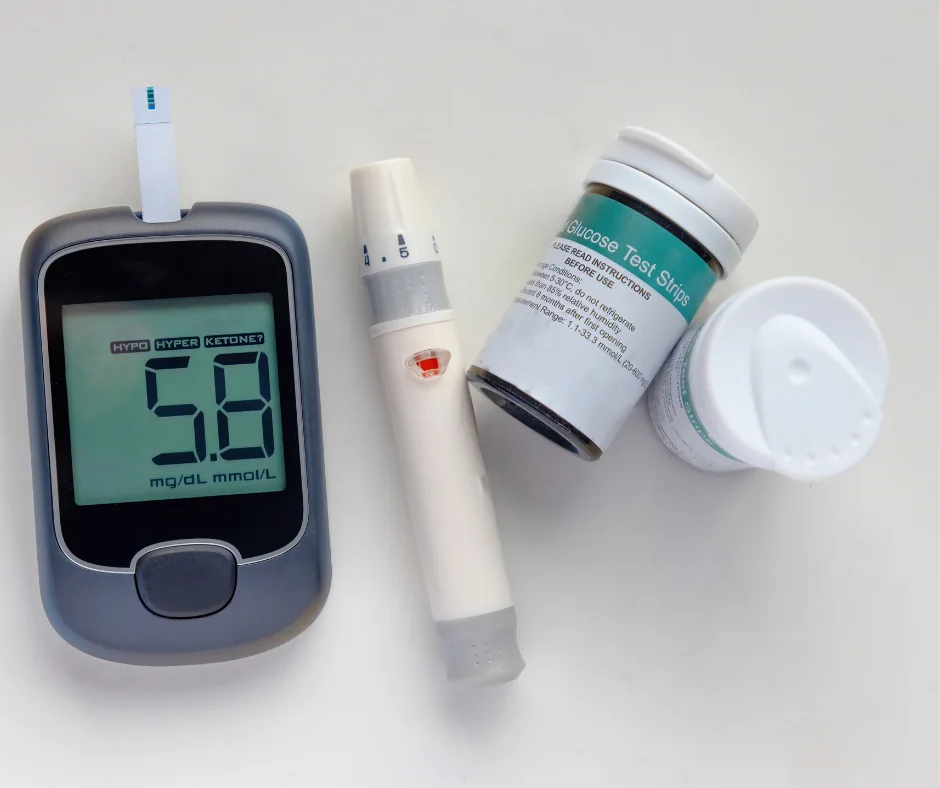
Living with diabetes requires diligent management, and one of the most critical tools for this is a blood glucose meter, often called a glucometer. These portable devices empower individuals to monitor their blood sugar levels regularly, providing vital data for informed treatment decisions and a healthier life.
What is Blood Glucose Monitoring (BGM)?
Blood Glucose Monitoring (BGM) is the process of measuring the concentration of glucose (sugar) in your blood at a specific point in time. It provides immediate feedback on how diet, exercise, medication, and other factors impact your blood sugar levels.
Regular BGM is a cornerstone of diabetes care. It helps both individuals with diabetes and their healthcare providers understand daily fluctuations, identify patterns, and adjust management plans as needed. This proactive approach can significantly reduce the risk of diabetes-related complications.
Why is Regular BGM Essential for Diabetes Management?
Regular Blood Glucose Monitoring is essential because it provides real-time insights into your body’s response to various factors, enabling proactive diabetes management. It helps prevent both dangerously high (hyperglycemia) and dangerously low (hypoglycemia) blood sugar levels.
For individuals taking insulin or certain oral medications, consistent monitoring is crucial for dose adjustments. The International Diabetes Federation (IDF) emphasizes that self-monitoring blood glucose (SMBG) is a key component of diabetes self-management education, allowing patients to take an active role in their health.
How Does a Glucometer Work?
A glucometer works by analyzing a small drop of blood placed on a disposable test strip, which then generates an electrical current based on the glucose concentration. This current is read by the meter and displayed as a numerical value, typically in milligrams per deciliter (mg/dL) or millimoles per liter (mmol/L).
Most modern glucometers are compact, easy to use, and provide results within seconds. They often store past readings, allowing you to track trends over time. This data can be invaluable for discussions with your healthcare team.
Steps for Accurate Glucometer Use
Using your glucometer correctly ensures reliable readings crucial for your diabetes management. Always follow these steps to get the most accurate results:
- Gather Your Supplies: Have your glucometer, test strips, lancet device, lancets, and an alcohol swab ready.
- Wash Your Hands: Clean hands prevent contamination that could skew results. Wash with soap and water, then dry thoroughly.
- Prepare the Lancet Device: Load a new lancet into the device according to its instructions.
- Prepare the Glucometer: Insert a fresh test strip into the meter. Most meters will automatically turn on.
- Puncture Your Finger: Prick the side of your fingertip, not the pad, to minimize discomfort. Squeeze gently to form a small drop of blood.
- Apply Blood to Strip: Touch the edge of the test strip to the blood drop. The strip will draw the blood in. Do not smear or add more blood once it starts.
- Read Your Results: The glucometer will display your blood glucose reading after a few seconds.
- Record Your Results: Note down your reading, along with the time, date, and any relevant information (e.g., before meal, after meal, exercise).
- Dispose Safely: Discard the used lancet and test strip in a sharps container or according to local regulations.
Choosing the Right Glucometer for You
Selecting the right glucometer involves considering several factors, including ease of use, cost of strips, data storage capabilities, and connectivity features. While traditional glucometers remain a primary tool, Continuous Glucose Monitoring (CGM) systems offer a different approach to tracking glucose levels.
| Feature | Traditional Glucometer (BGM) | Continuous Glucose Monitor (CGM) |
|---|---|---|
| Method | Finger prick blood sample | Sensor inserted under the skin, measures interstitial fluid |
| Frequency | Spot checks at specific times | Continuous readings every few minutes, 24/7 |
| Data Type | Single reading at that moment | Trends, patterns, high/low alerts, customizable ranges |
| Device | Portable meter, test strips, lancets | Sensor worn for days/weeks, transmitter, receiver/smartphone app |
| Cost | Lower initial cost, ongoing strip costs | Higher initial cost, ongoing sensor costs |
| Primary Use | Daily monitoring, pre/post-meal checks, medication adjustments | Comprehensive insight into glucose trends, proactive management, alert system |
Both systems play a vital role in diabetes management, and the best choice depends on individual needs and your healthcare provider’s recommendations.
Discover our diabetes management solutions available on Med Coast, including a variety of glucometers and testing supplies.
What are the Benefits of Consistent Glucose Monitoring?
Consistent glucose monitoring offers numerous benefits, providing critical data that empowers individuals to manage their diabetes effectively. It fosters a deeper understanding of how daily choices impact blood sugar.
Key advantages include:
- Optimized Medication: Helps healthcare providers adjust insulin or medication dosages precisely.
- Dietary Understanding: Reveals how specific foods affect your glucose levels.
- Exercise Impact: Shows the effect of physical activity on blood sugar.
- Early Detection: Helps identify hyperglycemia or hypoglycemia before symptoms become severe.
- Motivation: Seeing positive results can motivate adherence to a healthy lifestyle.
- Reduced Complications: Better control significantly lowers the risk of long-term diabetes complications like kidney disease, nerve damage, and vision problems, as highlighted by the Centers for Disease Control and Prevention (CDC).
By actively tracking your blood glucose, you become an active participant in your health journey.
Are There Any Limitations to Glucometer Use?
While invaluable, glucometer use does have some limitations that users should be aware of for optimal management. These often relate to accuracy factors and the snapshot nature of the readings.
- Accuracy Variations: Factors like improper strip storage, expired strips, extreme temperatures, or incorrect technique can affect accuracy. Always check your meter’s manual.
- Snapshot Readings: A traditional glucometer provides a reading at a single point in time, not continuous data. It might miss fluctuations between tests.
- Discomfort: Finger pricks can cause discomfort or calluses over time for some individuals.
- Cost of Supplies: Test strips and lancets are ongoing expenses, which can be a barrier for some.
It’s crucial to understand these limitations and discuss any concerns with your healthcare professional to ensure your monitoring strategy is comprehensive and effective.
When Should You Consult a Healthcare Professional?
You should consult a healthcare professional whenever you have questions about your blood glucose readings, notice unusual patterns, or experience symptoms concerning your diabetes. They can provide personalized advice and adjust your treatment plan.
Specific situations warranting a consultation include:
- Consistently high or low readings that are outside your target range.
- Frequent unexplained spikes or drops in blood sugar.
- New or worsening symptoms of diabetes.
- Difficulty managing your blood glucose despite following your plan.
- Concerns about your glucometer’s accuracy or proper use.
- Before making any significant changes to your diet, exercise routine, or medication.
Your healthcare team is your best resource for navigating diabetes management and ensuring your well-being. Med Coast is committed to supporting your health journey by offering a selection of reliable medical devices.
Explore our range of medical devices and consumables designed to assist in your daily health management.
Frequently Asked Questions about Blood Glucose Monitoring
How often should I check my blood sugar?
The frequency of blood sugar checks varies greatly depending on your diabetes type, treatment plan, and individual needs. Your doctor or healthcare provider will advise on a personalized schedule. Some people may check multiple times daily, while others may only need to check a few times a week.
What do my blood sugar numbers mean?
Your blood sugar numbers indicate the amount of glucose in your blood. Your healthcare provider will establish target ranges for you (e.g., before meals, after meals). Readings above or below these ranges may require action. Understanding these numbers helps you and your doctor make informed decisions about your diabetes care.
Can I use an expired test strip?
No, you should never use expired test strips. Expired strips can provide inaccurate readings, which can lead to inappropriate treatment decisions. Always check the expiration date on the test strip container and dispose of any expired strips properly. Store them as recommended by the manufacturer to maintain their integrity.
Why do I get different readings from two different glucometers?
It’s normal for two different glucometers to show slightly different readings, even if used simultaneously. This is due to variations in calibration, technology, and manufacturing tolerances. What’s more important is the consistency of one meter. If you suspect a significant discrepancy or malfunction, consult your healthcare provider or the device manufacturer.
How do I dispose of used lancets and test strips safely?
Used lancets should be placed in a sharps container, which is a puncture-resistant plastic container specifically designed for medical waste. If a sharps container isn’t immediately available, a hard plastic detergent bottle with a secure lid can be a temporary alternative. Test strips can usually be disposed of in regular household waste, but always check local guidelines.
Are there alternatives to finger-prick testing?
Yes, Continuous Glucose Monitoring (CGM) systems are a popular alternative, offering real-time glucose readings without frequent finger pricks. These systems use a sensor inserted under the skin to measure glucose in the interstitial fluid. While finger-prick tests are still sometimes needed for calibration or confirmation, CGM provides a more comprehensive view of glucose trends.

