
What is Diabetes and Why is Its Management Essential?
Diabetes is a chronic condition affecting how your body turns food into energy, leading to elevated blood sugar levels. Effective management is crucial to prevent serious health complications, ensuring a better quality of life. For individuals in Tunisia, understanding and managing diabetes is vital for long-term well-being.
It impacts millions globally, including a significant number of Tunisians. Uncontrolled high blood sugar can damage nerves, eyes, kidneys, and other organs over time. This makes consistent monitoring, medication adherence, and lifestyle adjustments non-negotiable for anyone living with diabetes.
How Can Blood Glucose Monitoring Help You Manage Diabetes Daily?
Regular blood glucose monitoring provides immediate feedback on how your body is responding to food, exercise, and medication. This daily insight is fundamental for making informed decisions to maintain stable blood sugar levels. Devices like glucometers are at the heart of this self-management.
Understanding Your Glucometer
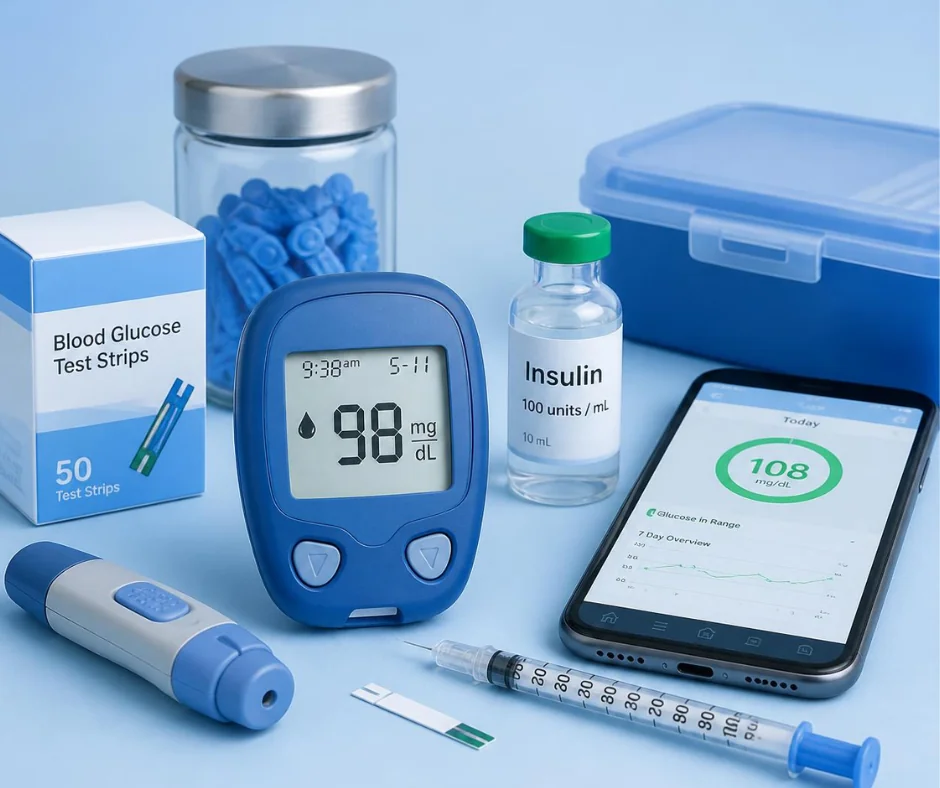
A glucometer is a portable electronic device used to measure the amount of glucose (sugar) in your blood. It typically involves pricking your finger with a lancet to obtain a small blood sample, which is then applied to a test strip inserted into the meter. Within seconds, the device displays your current blood glucose level.
- Utility: Helps you understand patterns in your blood sugar.
- Indications: Essential for all types of diabetes, especially Type 1 and Type 2 on medication.
- Correct Use: Always wash hands before testing. Follow manufacturer instructions for your specific device.
- Common Errors: Not enough blood, expired test strips, incorrect coding (for some older models).
Maintaining a stock of high-quality test strips and lancets is crucial for consistent monitoring. You can discover our diabetes management solutions available on Med Coast, including glucometers, strips, and lancets, delivered across Tunisia.
What Are the Different Ways to Administer Insulin?
Insulin administration is a critical part of diabetes management for many, particularly those with Type 1 diabetes and some with Type 2. The primary methods involve insulin pens and syringes, each offering distinct advantages.
Insulin Pens vs. Syringes
Insulin pens are pre-filled devices or reusable pens that use replaceable cartridges, offering convenience and ease of use. Syringes, on the other hand, are traditional tools requiring patients to draw insulin from a vial. The choice often depends on individual preference, dexterity, and specific insulin regimen.
- Insulin Pens: Often preferred for their discrete nature, pre-set doses, and portability. Many come with fine needles for less painful injections.
- Insulin Syringes: More economical for some and offer flexibility in dose adjustments, especially for odd-numbered units. Requires good eyesight and steady hands.
Regardless of the method, proper injection technique is vital to ensure effective insulin absorption and prevent complications like lipohypertrophy. Rotate injection sites regularly to minimize tissue damage.
Could Continuous Glucose Monitoring (CGM) Be a Game-Changer for Your Diabetes Care?
Continuous Glucose Monitoring (CGM) systems offer real-time glucose readings throughout the day and night, providing a comprehensive picture of blood sugar trends. This technology can significantly enhance diabetes management, moving beyond single-point measurements.
CGM devices typically involve a small sensor inserted under the skin, which measures glucose in the interstitial fluid. This data is then transmitted wirelessly to a receiver, smartphone app, or insulin pump. The ability to see trends and receive alerts for high or low glucose levels empowers users to make proactive adjustments.
Traditional Glucometer vs. Continuous Glucose Monitor (CGM)
Here’s a comparison to help understand the differences between these essential monitoring tools:
| Feature | Traditional Glucometer | Continuous Glucose Monitor (CGM) |
|---|---|---|
| Measurement | Spot check (finger-prick) | Continuous (interstitial fluid) |
| Frequency | Several times a day, as needed | Every few minutes, 24/7 |
| Data Type | Current glucose level | Current level, trends, direction, alerts |
| Insight | Snapshot of a moment | Holistic view of glucose patterns |
| Intervention | Reactive adjustments | Proactive adjustments, early alerts |
| Calibration | Not usually required | Some models may require calibration with glucometer |
| Cost (Tunisia) | Generally lower initial cost | Higher initial and ongoing sensor cost |
While CGMs offer significant advantages, traditional glucometers remain crucial for calibration purposes (for some CGM models) and for confirming readings, especially during symptomatic hypoglycemia or hyperglycemia. Discuss with your doctor if a CGM system is appropriate for your specific needs.
How Do Tunisian Diet and Lifestyle Influence Diabetes Management?
The Tunisian diet, rich in complex carbohydrates, fresh vegetables, and healthy fats, can be both a challenge and an opportunity for diabetes management. Adapting traditional eating habits while maintaining a healthy lifestyle is key.
Navigating Tunisian Cuisine with Diabetes
Tunisian cuisine, with its emphasis on couscous, bread, and pastries, requires mindful consumption for individuals with diabetes. However, it also features abundant fresh produce like tomatoes, peppers, and leafy greens, along with lean protein sources. Incorporating these healthy elements while moderating high-carb dishes is essential. For instance, enjoying grilled fish with a large salad rich in local vegetables instead of excessive couscous can be a beneficial adaptation.
The Mediterranean climate encourages an active outdoor lifestyle. Regular physical activity, such as walking along the coast or through local markets, is a powerful tool for blood sugar control. Staying hydrated, especially during Tunisia’s hot summers, is also critical for overall health and diabetes management.
What Other Essential Medical Consumables Support Diabetes Care?
Beyond glucose monitoring and insulin delivery devices, several other medical consumables play a vital role in comprehensive diabetes care. These ensure hygiene, safety, and proper management of related health concerns.
These include alcohol swabs for sterile injection or testing sites, sharps containers for safe disposal of needles and lancets, and specialized wound care products for potential diabetic foot ulcers. Diabetic foot care is particularly crucial, as nerve damage and poor circulation can lead to complications. Regular self-examination and appropriate footwear are preventive measures.
Maintaining a clean environment for device use and safe disposal of medical waste is paramount to prevent infections and accidental injuries, both for the patient and their community.
Beyond Devices: What Role Do Supplements and Lifestyle Play?
While medical devices are indispensable for managing diabetes, a holistic approach that includes food supplements and a healthy lifestyle significantly contributes to overall well-being. These elements can support the body’s functions and help mitigate diabetes-related risks.
Supporting Health Through Diet and Supplements
Certain food supplements, under professional guidance, might complement a balanced diet for individuals with diabetes. For example, some may benefit from vitamin D, magnesium, or omega-3 fatty acids, especially if deficiencies are present or specific needs arise. It’s crucial to always consult a healthcare professional before starting any new supplement regimen, as interactions with medications or existing conditions are possible. Med Coast offers a range of food supplements, but their use in diabetes must always be medically supervised.
A lifestyle incorporating balanced nutrition, regular physical activity, adequate sleep, and stress management forms the bedrock of diabetes care. These habits empower individuals to better control blood sugar levels, improve cardiovascular health, and enhance mental well-being, fostering a proactive approach to living with diabetes.
When is it Crucial to Consult Your Healthcare Professional?
Regular consultation with your healthcare professional team—including your doctor, endocrinologist, dietitian, and pharmacist—is non-negotiable for effective diabetes management. They provide personalized advice, adjust treatment plans, and help address any concerns.
You should consult your doctor immediately if you experience persistent high or low blood sugar readings, new or worsening symptoms, or any complications related to diabetes. This includes vision changes, numbness or tingling in extremities, non-healing wounds, or frequent infections. Regular check-ups, typically every 3-6 months, are essential to monitor your condition, conduct necessary tests, and ensure your treatment plan remains optimal. Never hesitate to seek professional medical advice for any health-related questions or concerns. Your healthcare team is your best resource for living a healthy life with diabetes.
Frequently Asked Questions About Diabetes Management
What are the first steps after being diagnosed with diabetes?
Upon diagnosis, immediately consult your doctor to understand your specific type of diabetes and create a management plan. This plan will likely include dietary changes, regular physical activity, and possibly medication. Educate yourself about the condition and its daily management to proactively take control of your health.
How often should I check my blood sugar levels?
The frequency of blood sugar monitoring varies depending on your type of diabetes, medication, and lifestyle. Your healthcare professional will provide a personalized schedule. People on insulin may check several times a day, while others might check less frequently. Always follow your doctor’s specific recommendations.
Can I still eat traditional Tunisian food with diabetes?
Yes, you can still enjoy traditional Tunisian food, but with careful moderation and portion control. Focus on smaller portions of carbohydrate-rich dishes like couscous or bread, and increase your intake of fresh vegetables and lean proteins. Consulting a dietitian experienced in local cuisine can help you create a balanced meal plan.
What is the importance of foot care for people with diabetes?
Diabetic foot care is critical because diabetes can lead to nerve damage (neuropathy) and poor circulation, increasing the risk of foot ulcers and infections. Regular inspection of your feet, wearing appropriate footwear, and immediate reporting of any cuts or sores to your doctor can prevent severe complications.
Are there local support groups for Tunisians with diabetes?
Yes, various associations and healthcare centers in Tunisia offer support groups and educational programs for individuals living with diabetes. These groups provide a platform for sharing experiences, learning new management strategies, and finding emotional support. Ask your doctor or local health center for information on available resources.
How can Med Coast help with my diabetes supplies in Tunisia?
Med Coast offers a comprehensive range of diabetes management solutions, including glucometers, test strips, lancets, insulin syringes, and various medical consumables. We provide convenient online ordering and reliable delivery services across Tunisia, ensuring you have access to the essential supplies you need for effective diabetes care.

