
Living with diabetes requires diligence and a proactive approach to health. One of the most critical tools for effective diabetes management is consistent blood glucose monitoring. This practice provides essential insights into how your body responds to food, exercise, medication, and stress, empowering you to make informed decisions daily.
What is Blood Glucose Monitoring and Why is it Important?
Blood glucose monitoring involves regularly checking the concentration of sugar (glucose) in your blood. It is crucial for managing diabetes because it provides real-time data, helping you understand your body’s glucose patterns and prevent both dangerously high (hyperglycemia) and low (hypoglycemia) blood sugar levels.
Regular monitoring helps individuals with diabetes, alongside their healthcare teams, to tailor treatment plans, adjust medication dosages, and make appropriate lifestyle choices. According to the International Diabetes Federation (IDF), consistent monitoring is a cornerstone of diabetes self-management, significantly reducing the risk of long-term complications such as kidney disease, nerve damage, and vision problems.
How Do Blood Glucose Meters (Glucometers) Work?
Traditional blood glucose meters, or glucometers, work by analyzing a small blood sample placed on a test strip. These devices typically use an electrochemical method to measure glucose levels, converting the chemical reaction into an electrical signal that is then displayed as a numerical reading.
The process usually involves pricking a fingertip with a lancing device to obtain a drop of blood, applying this blood to a disposable test strip inserted into the meter, and waiting a few seconds for the result. Modern glucometers are designed for accuracy, speed, and ease of use, providing crucial information for immediate decision-making.
What Are the Different Types of Blood Glucose Monitoring Devices?
There are primarily two main types of devices used for blood glucose monitoring, each offering distinct advantages. These include traditional blood glucose meters and continuous glucose monitors, providing flexibility based on individual needs and diabetes management plans.
Traditional Blood Glucose Meters (BGM)
Traditional BGMs require finger pricks to obtain blood samples at specific times throughout the day. They provide a snapshot of your blood glucose level at the exact moment of testing, useful for checking levels before meals, after meals, or before bedtime.
They are widely available, generally affordable, and accurate when used correctly. However, they only show individual readings, making it harder to spot trends or fluctuations between tests.
Continuous Glucose Monitors (CGM)
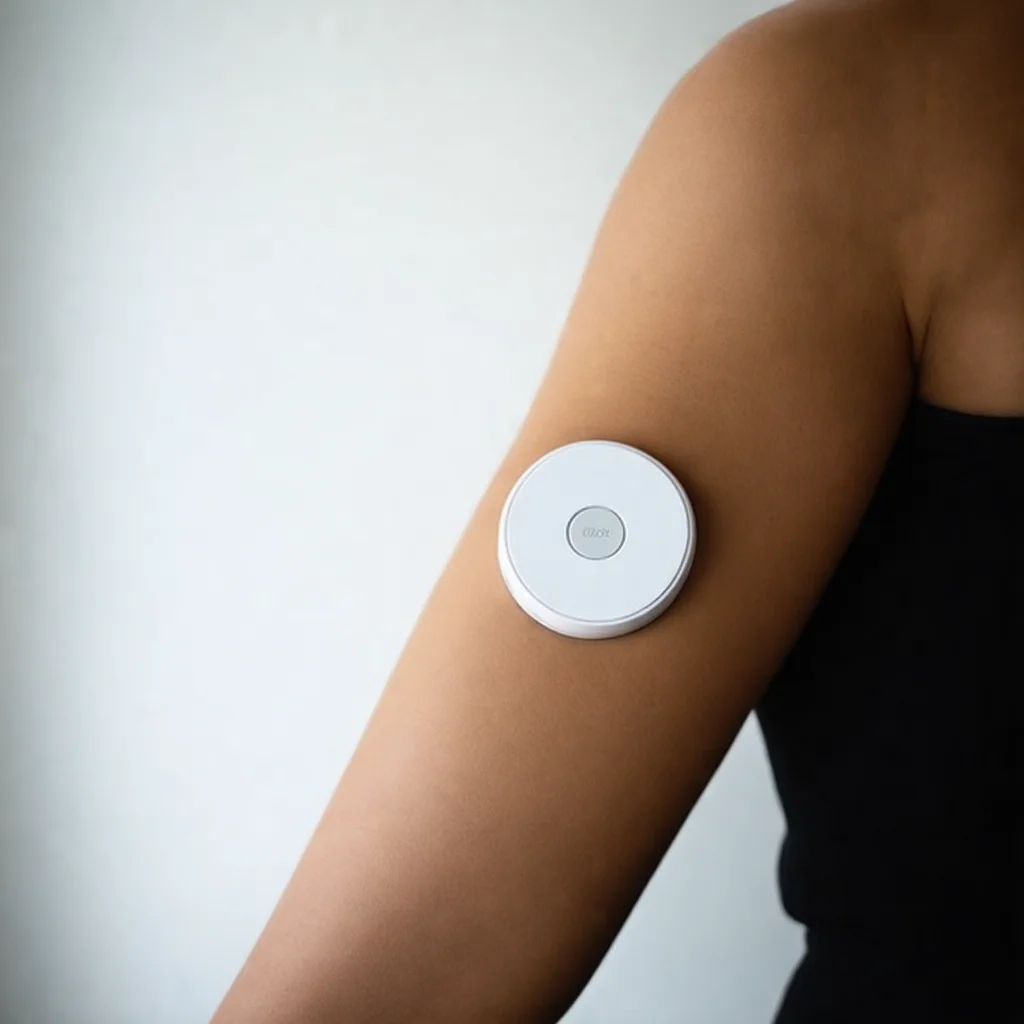
CGMs are small wearable devices that measure glucose levels automatically and continuously throughout the day and night. A tiny sensor, usually inserted under the skin of the arm or abdomen, measures glucose in the interstitial fluid every few minutes.
CGMs provide a more comprehensive picture of glucose patterns, showing trends and alerts for high or low levels. This continuous data helps individuals and healthcare providers understand the impact of various activities on blood sugar, leading to more proactive management.
Here’s a quick comparison of the two main types:
| Feature | Traditional Blood Glucose Meter (BGM) | Continuous Glucose Monitor (CGM) |
|---|---|---|
| Measurement Type | Spot check (single reading) | Continuous (every few minutes) |
| Sample Method | Finger prick blood sample | Interstitial fluid via skin sensor |
| Frequency | Manual, as needed | Automatic, 24/7 |
| Data Insight | Snapshot of glucose at test time | Trends, patterns, and real-time alerts |
| Cost (Initial) | Lower | Higher |
| Consumables Cost | Test strips, lancets | Sensors (replaced regularly) |
How to Use a Traditional Glucometer Correctly?
Using a glucometer correctly ensures accurate readings, which are vital for effective diabetes management. Always follow the specific instructions provided with your device, but these general steps apply to most traditional meters.
First, wash your hands thoroughly with soap and warm water and dry them completely. This prevents contamination and promotes blood flow. Next, insert a fresh test strip into your meter. Prepare your lancing device by inserting a new lancet and setting the depth. Prick the side of your fingertip, gently squeeze to form a blood drop, and touch the blood to the designated area on the test strip. Wait for the reading to appear, then record your result and dispose of the lancet and strip safely.
Common errors include using expired test strips, not enough blood on the strip, or dirty hands. Always ensure your meter is calibrated correctly if required, and store strips as per manufacturer instructions.
When and How Often Should You Check Your Blood Sugar?
The frequency and timing of blood sugar checks depend largely on your type of diabetes, medication regimen, and overall health goals. Your healthcare provider will give you personalized recommendations based on these factors.
Common times to check include before meals (fasting), two hours after meals (post-prandial), before and after exercise, before bedtime, and when you suspect low or high blood sugar. Individuals on insulin therapy may need to check more frequently than those managing diabetes through diet and oral medications. Always discuss an appropriate testing schedule with your doctor or diabetes educator.
Interpreting Your Blood Glucose Readings:
Understanding what your blood glucose numbers mean is crucial for taking appropriate action. Readings are typically measured in milligrams per deciliter (mg/dL) or millimoles per liter (mmol/L), depending on your region.
Target ranges can vary, but generally, a fasting blood sugar level below 100 mg/dL (5.6 mmol/L) is considered normal. For most adults with diabetes, the World Health Organization (WHO) suggests a fasting target of 80-130 mg/dL (4.4-7.2 mmol/L) and a post-meal target of less than 180 mg/dL (10.0 mmol/L). If your readings consistently fall outside your target range, or if you experience symptoms of very high or low blood sugar, it’s essential to consult your healthcare professional promptly.
Advantages of Regular Monitoring:
Regular blood glucose monitoring offers numerous advantages that contribute significantly to better diabetes management and overall health outcomes. It transforms diabetes from an unseen condition into a manageable one with visible data points.
Firstly, it helps prevent dangerous fluctuations in blood sugar, reducing the risk of emergencies like severe hypoglycemia or diabetic ketoacidosis. Secondly, monitoring empowers individuals to understand how different foods, activities, and medications affect their blood glucose, fostering better self-care decisions. This knowledge leads to improved glycemic control, enhanced quality of life, and a reduced risk of long-term diabetes complications.
Potential Challenges and Limitations:
Despite its benefits, blood glucose monitoring can present certain challenges and limitations that users should be aware of. Addressing these can help ensure more effective and less frustrating management.
Challenges can include the discomfort of finger pricks, the cost of test strips and devices, and the potential for inaccurate readings due to user error or device malfunction. Furthermore, constant monitoring can sometimes lead to « data fatigue » or anxiety for some individuals. CGMs, while offering continuous data, also come with a higher initial cost and require sensor replacements. It is important to discuss any difficulties with your healthcare team.
Choosing the Right Device and Supplies:
Selecting the appropriate blood glucose monitoring device and ensuring you have reliable supplies is a critical step in effective diabetes management. The best device for you will align with your lifestyle, budget, and specific diabetes care needs.
Consider factors such as ease of use, screen readability, memory capacity, data download capabilities, and the cost and availability of test strips or CGM sensors. It’s highly recommended to consult your doctor or a diabetes educator who can provide personalized guidance based on your individual requirements. They can help you weigh the pros and cons of different models and ensure you choose a device that you are comfortable and confident using. Discover our diabetes management solutions available on Med Coast, including a wide range of reliable meters, test strips, and lancing devices.
When Should You Consult a Healthcare Professional?
Knowing when to seek professional medical advice is paramount for safely managing diabetes. Always consult a healthcare professional if you experience new or worsening symptoms, or have persistent concerns about your blood glucose levels.
You should consult your doctor if your blood glucose readings are consistently high or low, despite following your treatment plan. Seek immediate attention for severe symptoms of hypoglycemia (e.g., severe confusion, loss of consciousness) or hyperglycemia (e.g., excessive thirst, frequent urination, nausea, vision changes). Your doctor can help adjust your medication, diet, or exercise regimen, and advise on advanced monitoring options like CGMs. They are also your primary resource for choosing new devices or troubleshooting issues.
Frequently Asked Questions (FAQs)
Can diet affect my blood glucose readings?
Yes, diet significantly impacts blood glucose levels. Foods, especially carbohydrates, are broken down into glucose, entering the bloodstream. Monitoring helps you learn how specific foods affect your sugar, allowing for better meal planning and portion control to maintain target levels. It’s a key tool for dietary management.
How accurate are home blood glucose meters?
Modern home blood glucose meters are generally very accurate, with most models meeting or exceeding international standards for precision. However, accuracy can be affected by factors like expired test strips, improper use, extreme temperatures, or insufficient blood sample size. Always follow the manufacturer’s instructions carefully.
What should I do if my blood sugar is very high or very low?
If your blood sugar is very high (hyperglycemia), follow your doctor’s instructions, which may include taking corrective insulin or drinking water. For very low blood sugar (hypoglycemia), consume a fast-acting carbohydrate (e.g., glucose tablets, fruit juice). Always consult your healthcare professional for specific emergency protocols.
Is continuous glucose monitoring (CGM) suitable for everyone?
CGM can be highly beneficial, especially for individuals on insulin therapy or those experiencing frequent fluctuations. While providing detailed insights, it may not be necessary for everyone. Discuss with your doctor if CGM is appropriate for your specific diabetes management plan, considering its benefits and costs. You can explore a variety of medical devices and monitoring solutions on Med Coast to find what suits your needs.
Do medications other than diabetes drugs affect blood sugar?
Yes, some non-diabetes medications can influence blood glucose levels. Corticosteroids, certain diuretics, and even some cold medications can cause blood sugar to rise. It’s crucial to inform your healthcare provider about all medications you are taking, including over-the-counter drugs, to anticipate and manage any potential impacts on your diabetes control.

